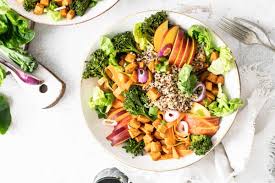
Can vegetarian and vegan diets provide complete nutrition?
Yes, without a doubt. Vegetarian and vegan diets can satisfy all of your nutritional demands and promote long-term health, vitality, and energy when properly designed. A balanced plant-based diet is actually linked to a lower risk of heart disease, obesity, type 2 diabetes, and some types of cancer, according to numerous studies.
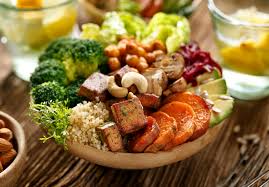
You may avoid frequent deficiencies, create nutritionally adequate vegetarian and vegan diet plans, and enjoy filling meals stress-free with the guidance of this book.
Understanding Vegetarian vs. Vegan Diets
It’s crucial to understanding the distinction before developing a balanced plan:
Dietary Vegetarianism
A vegetarian diet may consist of the following but does not contain meat, poultry, or fish:
dairy goods (cheese, yogurt, and milk)
Eggs
Sweetheart
Vegan Lifestyle
Vegans abstain from all goods originating from animals, such as:
Fish and meat
Dairy
Eggs
Sweetheart
Both diets can be beneficial, but in order to guarantee full nutrition, careful food selection is necessary.
What Does “Complete Nutrition” Mean?
Complete nutrition means your body receives all essential nutrients it cannot produce on its own, including:
- Protein
- Carbohydrates
- Healthy fats
- Vitamins
- Minerals
- Fiber
A common myth is that plant-based diets lack essential nutrients. In reality, plants provide nearly everything, with only a few nutrients requiring special attention.
Key Nutrients to Focus On
1. Protein
Protein is essential for muscle repair, immune function, and hormone production.
Vegetarian & Vegan Protein Sources:
- Lentils and beans
- Chickpeas
- Tofu and tempeh
- Soy products
- Quinoa
- Nuts and seeds
- Dairy and eggs (vegetarian)
Tip: Combine different plant proteins throughout the day for optimal amino acid intake.
2. Iron
Iron supports oxygen transport in the blood.
Plant-Based Iron Sources:
- Lentils
- Spinach
- Chickpeas
- Pumpkin seeds
- Fortified cereals
Tip: Pair iron-rich foods with vitamin C (lemon, oranges, tomatoes) to enhance absorption.
3. Vitamin B12
Vitamin B12 is essential for nerve health and red blood cell formation.
- Found naturally in animal products
- Vegans must use fortified foods or supplements
- Vegetarians may get B12 from dairy and eggs
4. Calcium
Calcium supports strong bones and teeth.
Plant-Based Calcium Sources:
- Fortified plant milks
- Tofu
- Sesame seeds
- Almonds
- Leafy greens
5. Omega-3 Fatty Acids
Omega-3s support brain and heart health.
Vegan Sources:
- Flaxseeds
- Chia seeds
- Walnuts
6. Zinc
Zinc helps with immunity and wound healing.
Sources:
- Legumes
- Whole grains
- Seeds
- Nuts
Building a Balanced Vegetarian Plate
A nutritionally complete vegetarian meal should include:
- ½ plate: Vegetables and fruits
- ¼ plate: Protein (lentils, eggs, dairy)
- ¼ plate: Whole grains
- Healthy fats: Nuts, seeds, oils
Variety is key to covering all nutrients.
Sample Vegetarian Daily Meal Plan
Breakfast
- Vegetable omelet OR oatmeal with milk
- Fruit
- Nuts or seeds
Mid-Morning Snack
- Yogurt with fruit
- Handful of almonds
Lunch
- Brown rice or roti
- Lentil curry
- Mixed vegetable sabzi
- Salad
Evening Snack
- Roasted chickpeas
- Herbal tea
Dinner
- Paneer or tofu stir-fry
- Steamed vegetables
- Quinoa or whole wheat bread
Building a Balanced Vegan Plate
A vegan diet requires more intentional planning but is equally nourishing.
Each meal should include:
- Protein-rich legumes or soy
- Whole grains
- Vegetables
- Healthy fats
Sample Vegan Daily Meal Plan
Breakfast
- Oats with fortified plant milk
- Banana
- Chia seeds
Mid-Morning Snack
- Fruit smoothie
- Peanut butter
Lunch
- Rice or quinoa
- Chickpea curry
- Spinach or mixed vegetables
- Salad with lemon dressing
Evening Snack
- Roasted peanuts
- Fruit
Dinner
- Tofu and vegetable stir-fry
- Whole grain roti
- Lentil soup
Weekly Vegan Diet Rotation (Simple)
| Day | Protein Source | Grains | Vegetables |
|---|---|---|---|
| Monday | Lentils | Rice | Spinach |
| Tuesday | Chickpeas | Roti | Carrots |
| Wednesday | Tofu | Quinoa | Mixed |
| Thursday | Beans | Rice | Cabbage |
| Friday | Soy chunks | Roti | Greens |
| Saturday | Lentils | Potatoes | Seasonal |
| Sunday | Leftovers | Any | Any |
Common Mistakes in Plant-Based Diets
- Relying too heavily on refined carbs
- Not eating enough protein
- Skipping fortified foods
- Ignoring vitamin B12
- Eating the same foods every day
Variety ensures nutritional adequacy.
Vegetarian & Vegan Diets for Weight Management
Plant-based diets are naturally:
- High in fiber
- Low in saturated fat
- Filling and satisfying
Focus on:
- Whole foods
- Portion control
- Limiting processed vegan foods
Plant-Based Diets for Muscle and Energy
Contrary to myths, plant-based diets can support muscle growth:
- Increase total protein intake
- Include legumes at every meal
- Strength train regularly
Athletes worldwide thrive on plant-based nutrition.
Mental and Emotional Benefits
Plant-based diets are linked to:
- Improved digestion
- Better energy levels
- Clearer skin
- Reduced inflammation
- Positive environmental impact
Do You Need Supplements?
- Vegans: Vitamin B12 is essential
- Some vegetarians: Vitamin D or iron may be helpful
- Always consult a healthcare professional before supplementing
Sustainable and Ethical Eating
Beyond health, vegetarian and vegan diets:
- Reduce environmental impact
- Support animal welfare
- Promote mindful consumption
Eating consciously nourishes both body and planet.
Final Thoughts: Plant-Based Eating Done Right
When developed with intention and balance, vegetarian and vegan diets can offer adequate nutrition at every stage of life. You only need awareness, variety, and consistency; perfection is not necessary.
At Daily Thrive, we consider food to be a foundation for long-term wellness rather than merely a source of energy. Focus on natural foods, pay attention to your body, and relish the path to vibrant health regardless of whether you want to live a vegetarian or vegan lifestyle.