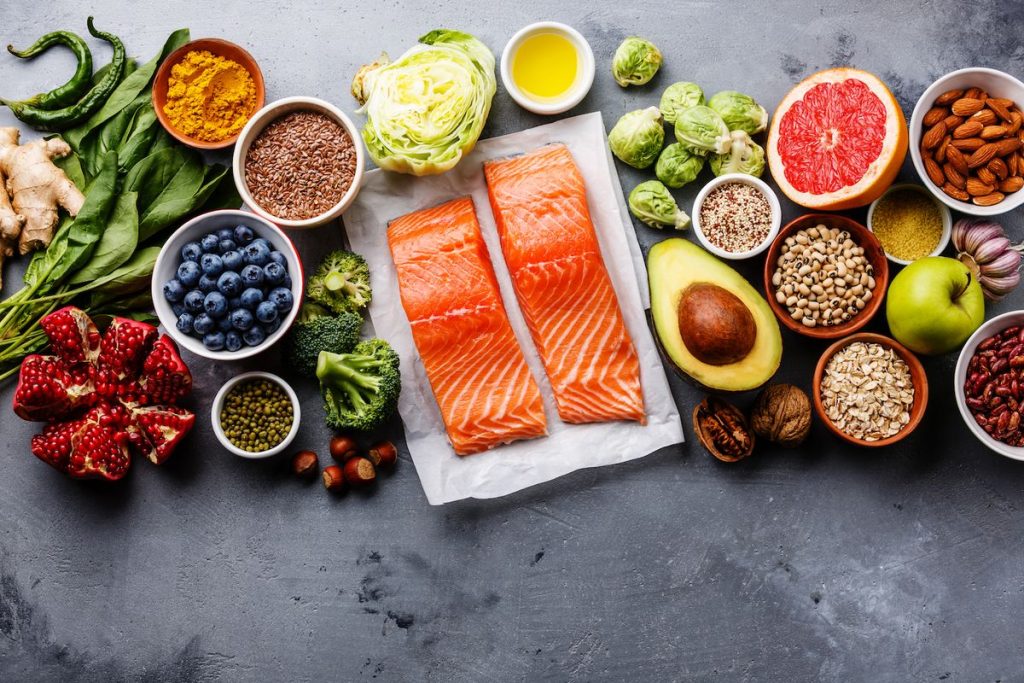
Introduction: What Are Superfoods?
Superfoods for Everyday Health are nutrient-dense foods that promote general health by being high in fiber, antioxidants, vitamins, minerals, and good fats. Superfoods can boost energy, boost immunity, aid with digestion, and support long-term health, but no single food is a miracle cure.
It might be difficult to maintain excellent health in the fast-paced world of today. It might be difficult to know what your body actually requires because there are so many diet fads and nutrition promises. Superfoods can help in this situation.
The best part? Many superfoods are simple, affordable, and easy to include in everyday meals. This article explains what superfoods are, why your body requires them, and which ones you should consume on a daily basis for general health.
What Makes a Food a “Superfood”?
Although superfoods are not formally categorized by science, they have several characteristics in common:
- High nutrient content relative to calories
- Rich in antioxidants that protect cells from damage
- Natural and barely processed
- Linked to health benefits such as improved heart health, digestion, or brain function
Superfoods, as opposed to supplements, supply nutrients in their natural state, making it easier for your body to absorb and utilize them.
Why Your Body Needs Superfoods Daily
Your body is constantly working to produce energy, fight infections, repair cells, and digest meals. Superfoods aid in these processes by supplying vital nutrients that are frequently absent from contemporary diets.
Key Benefits of Superfoods for Everyday Health
- Strengthen the immune system
- Support heart and brain health
- Boost gut health and digestion
- Help maintain healthy skin and hair
- Provide long-lasting energy
- Reduce or Decrease the body’s inflammation
Consuming a range of superfoods guarantees that your body receives the variety of nutrients it requires to perform at its peak.
Superfoods for Everyday Health
Leafy Green Vegetables
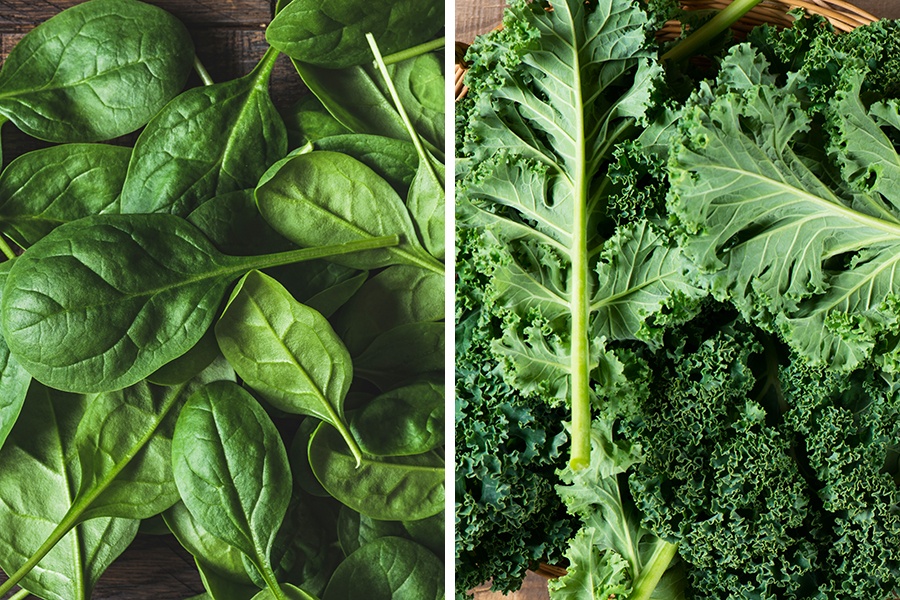

Examples: Spinach, kale, Swiss chard, collard greens
- Support bone strength
- Boost blood flow
- Help detoxify the body
- Encourage digestive health
How to eat them daily:
- Add to smoothies
- Add to salads
- Add to pasta, omelets, or soups.
Berries

Examples: Blueberries, strawberries, raspberries, blackberries
Berries are packed with antioxidants, especially anthocyanins, which protect the body from oxidative stress.
Benefits:
- Support brain and memory function
- Improve heart health
- Help regulate blood sugar
- Promote glowing skin
Easy ways to include berries:
- Add to yogurt or oatmeal
- Mix into smoothies
- Eat as a snack
Avocados
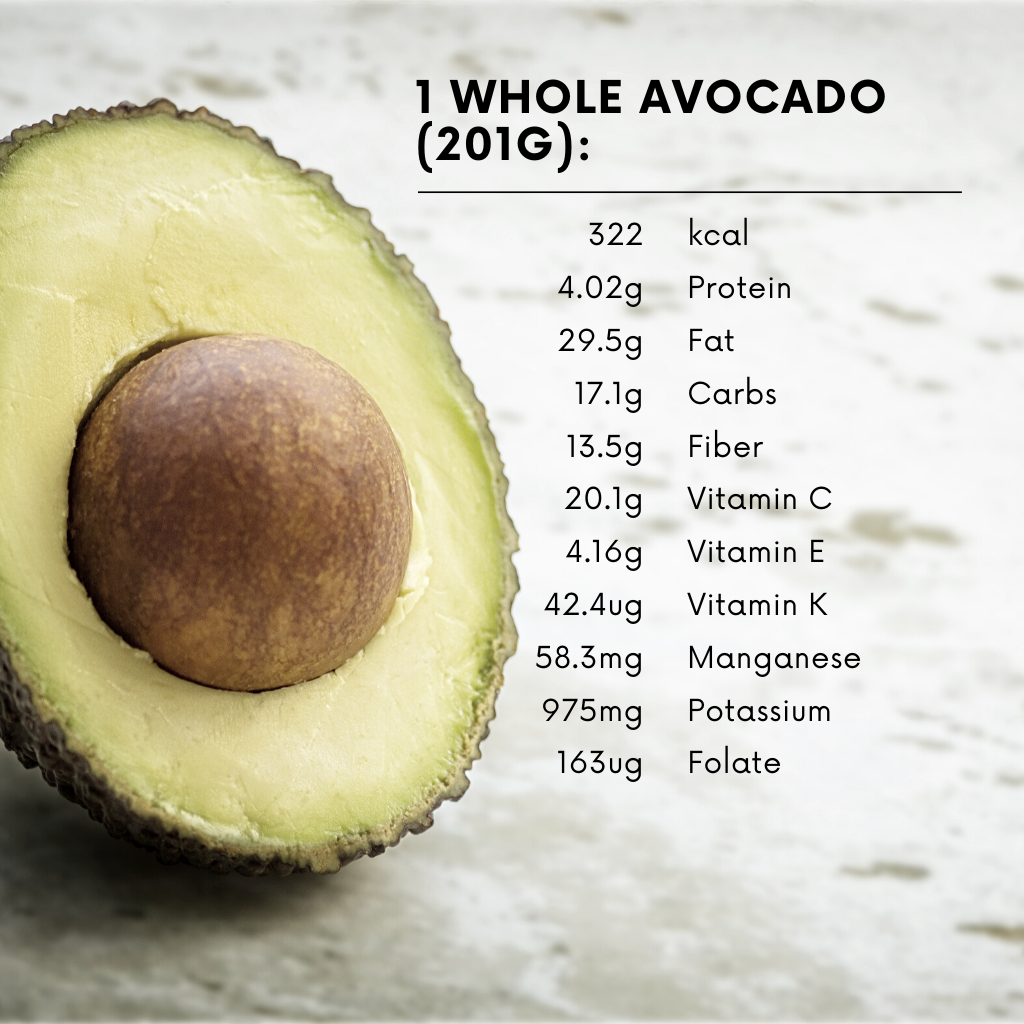
Avocados are a unique superfood because they are rich in healthy monounsaturated fats, fiber, and potassium.
Why they matter:
- Support heart health
- Help absorb fat-soluble vitamins
- Keep you feeling full longer
- Encourage brain function
How to eat avocados:
- Spread on toast
- Add to salads or wraps
- Mix into smoothies
Nuts and Seeds
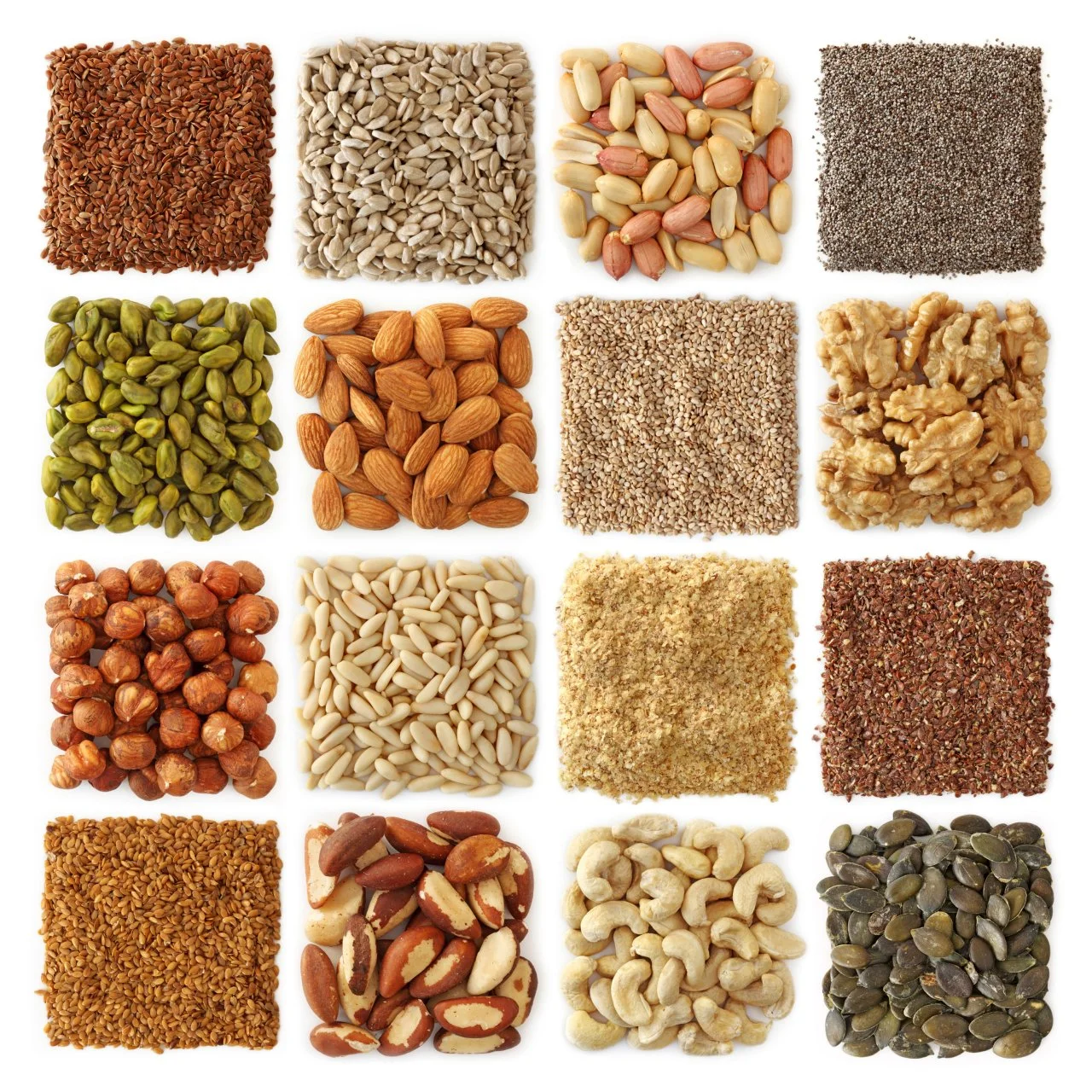

Examples: Almonds, walnuts, chia seeds, flaxseeds, pumpkin seeds
Nuts and seeds are rich in protein, fiber, omega-3 fatty acids, and minerals like magnesium and zinc.
Health benefits:
- Improve heart health
- Support brain development
- Help regulate digestion
- Provide steady energy
Simple ways to eat them:
- Sprinkle on salads or cereal
- Add to smoothies
- Eat a small handful as a snack
Fatty Fish

Examples: Salmon, sardines, mackerel
Fatty fish are one of the best sources of omega-3 fatty acids, which are essential for brain and heart health.
Why your body needs omega-3s:
- Support brain development and focus
- Reduce inflammation
- Promote heart health
How to include fish weekly:
- Grilled or baked salmon
- Fish tacos
- Added to salads
Whole Grains

Examples: Oats, quinoa, brown rice, whole wheat
Whole grains are rich in fiber, B vitamins, and slow-digesting carbohydrates.
Benefits:
- Improve digestion
- Help regulate blood sugar
- Provide long-lasting energy
Easy ways to eat whole grains:
- Oatmeal for breakfast
- Quinoa bowls
- Brown rice with meals
Garlic and Ginger
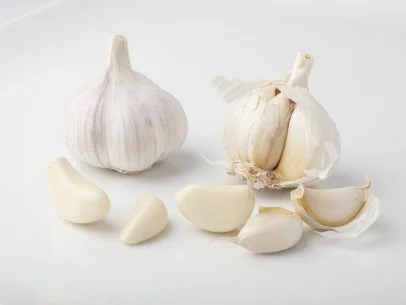

Garlic and ginger have been used for centuries for their medicinal properties.
Why they’re superfoods:
- Support immune function
- Reduce inflammation
- Improve digestion
How to use them daily:
- Add to cooking
- Make ginger tea
- Use garlic in sauces and soups
Dark Chocolate (In Moderation)


Dark chocolate (70% cocoa or higher) contains antioxidants called flavonoids.
Benefits:
- Improve mood
- Support heart health
- Help brain function
Tip: Enjoy small portions to keep it healthy.
How to Add Superfoods for Everyday Health to Your Daily Routine
You don’t need a perfect diet to benefit from superfoods. Small, consistent changes work best.
Simple Daily Plan:
- Breakfast: Oatmeal with berries and seeds
- Lunch: Whole grains + leafy greens + healthy fats
- Snack: Nuts, fruit, or yogurt
- Dinner: Lean protein with vegetables
Focus on balance and variety, not restriction.
Common Myths About Superfoods
Myth 1: Superfoods are expensive
Many, like oats, spinach, and beans, are affordable.
Myth 2: One superfood can fix your diet
Health comes from overall eating habits.
Myth 3: Superfoods work instantly
Benefits come with consistency over time.
Final Thoughts: Eating Superfoods for a Healthier Life
Superfoods for Everyday Health are effective instruments for promoting general health, but they function best when combined with a realistic, balanced lifestyle. You may provide your body with the nutrition it needs to grow, mend, and thrive by eating a mix of fruits, vegetables, whole grains, healthy fats, and proteins.
Begin modestly. This week, start by including one or two superfoods into your meals. These small decisions can have a significant impact on your feelings, thoughts, and way of life over time.