Customizing Your Diet Plan, it’s simple to feel perplexed, irritated, or even disillusioned in a world full of popular diets and viral nutrition advice. One plan promises quick weight loss, another promises muscle growth, and a third says it’s the key to flawless health. However, many diets ultimately fall short of their audacious claims.
There is no one-size-fits-all diet, which is a straightforward and liberating fact. Your genetics, metabolism, culture, daily routine, and personal objectives all contribute to the exquisite uniqueness of your body. Customizing your meal plan is therefore the most potent, successful, and long-lasting method to nutrition.
This ultimate guide will walk you step by step through how to create a personalized diet that supports your beautiful body, aligns with your health and fitness goals, and fits effortlessly into your lifestyle. This is not about restriction—it’s about nourishment, balance, and long‑term success.
What Does It Mean to Customizing Your Diet Plan?
Customizing your diet means designing an eating plan specifically for you. Instead of blindly following strict rules, you make intentional food choices based on how your body feels and responds.
A customized diet:
- Supports your physical and mental well‑being
- Matches your daily routine and responsibilities
- Honors your food preferences and culture
- Evolves as your goals and lifestyle change
This approach is transformational because it turns dieting into a lifestyle—not a temporary fix.
Step 1: Understand Your Beautiful Body
1. Your Metabolism and Energy Patterns
While some people feel better eating later in the day, others wake up hungry and full of energy. While some people can survive on three meals, others require intermittent snacks. Knowing your metabolism enables you to make decisions:
How frequently to eat
How big your meals ought to be
When your energy levels are at their highest
Adapt your meals to your body’s natural rhythm rather than forcing it into a strict routine.
2. Digestive Health and Comfort
Instead of making you feel bloated or uncomfortable, a good diet should make you feel light, invigorated, and fulfilled. Observe how your body responds to different foods.
Typical indicators that your diet needs to be adjusted include:
Frequent gas or bloating
Heartburn or acid reflux
Inconsistent digestion
After eating, feeling lethargic or heavy
Foods that promote gut health and easy digestion should be given top priority in your personalized diet.
3. Food Sensitivities and Tolerances
You don’t need a diagnosed allergy to notice that certain foods don’t suit you. Dairy, gluten, fried foods, or excessive sugar may cause discomfort for some people. A smart diet plan respects your body’s signals rather than ignoring them.
Step 2: Define Clear and Meaningful Goals
Your diet should always serve a purpose. Before customizing your plan, ask yourself: What do I want to achieve?
Weight Loss and Fat Management
If your goal is weight loss, your diet should focus on:
- Creating a gentle calorie deficit
- Eating high‑fiber foods for fullness
- Including protein at every meal
- Reducing refined sugars and ultra‑processed foods
Healthy weight loss is steady, sustainable, and respectful of your body.
Muscle Building and Strength
For muscle gain and strength, your customized diet should include:
- Adequate calories to fuel workouts
- High‑quality protein sources
- Complex carbohydrates for energy
- Healthy fats for hormone balance
Consistency matters more than perfection when building strength.
Energy, Focus, and Mental Clarity
If your main goal is feeling energized and focused throughout the day, prioritize:
- Balanced meals with protein, carbs, and fats
- Stable blood sugar levels
- Proper hydration
- Limiting highly processed foods
A well‑customized diet can be life‑changing for productivity and mood.
Overall Health and Longevity
For long‑term wellness, your diet should emphasize:
- Whole, nutrient‑dense foods
- A variety of fruits and vegetables
- Healthy fats and lean proteins
- Adequate vitamins and minerals
This goal is about nourishing your body today and protecting it for the future.
Step 3: Design Your Diet Around Your Lifestyle
Busy Schedules and Time Constraints
If your days are packed with work, family, or studies, your diet must be practical. Choose:
- Simple, quick meals
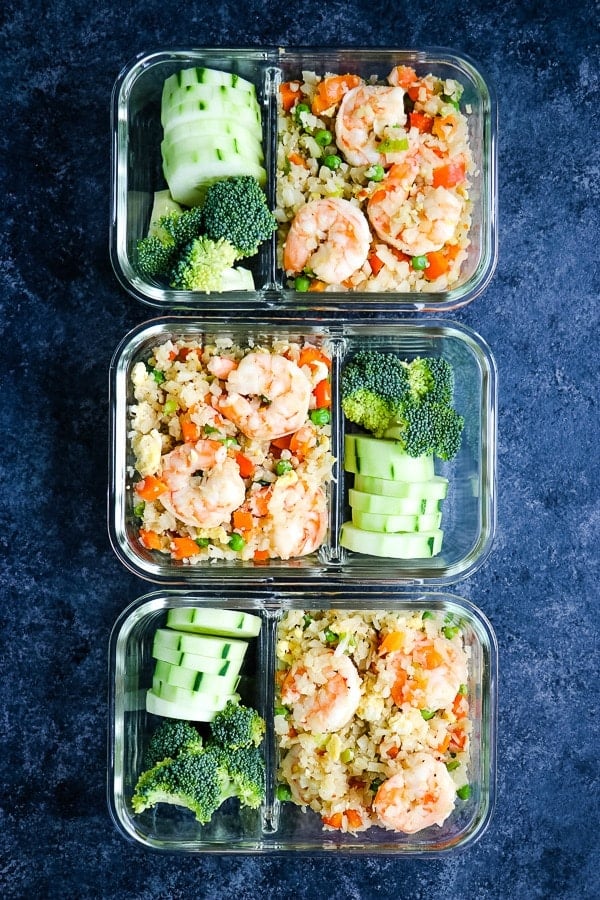
- Batch cooking on weekends
- Easy snacks like fruit, nuts, or yogurt
- Protein‑rich foods that require minimal preparation
A diet that fits your schedule is far more powerful than one that looks perfect on paper.
Cultural and Family Food Habits
You don’t need to abandon traditional foods to eat healthily. Most cultural meals can be customized by:
- Reducing excess oil and sugar
- Increasing vegetables and legumes
- Choosing whole grains when possible
- Controlling portion sizes
Your diet should feel familiar, comforting, and enjoyable.
Budget‑Friendly Choices
Healthy eating doesn’t require expensive superfoods. Affordable staples include:
- Rice, oats, and whole wheat roti
- Lentils, beans, and chickpeas
- Seasonal fruits and vegetables
- Eggs, yogurt, and local protein sources
A truly sustainable diet respects your budget as much as your body.
Step 4: Balance Macronutrients the Smart Way
Protein: The Foundation of Every Meal
Protein supports muscle repair, metabolism, and fullness. Good options include:
- Eggs and lean meats
- Fish and seafood
- Lentils, beans, and chickpeas
- Tofu, paneer, and yogurt
Including protein in every meal is a game‑changing habit.
Carbohydrates: Fuel for Life
Carbohydrates provide energy and should not be feared. Focus on quality sources such as:
- Whole grains
- Fruits and vegetables
- Legumes
Limit refined sugars and white flour products to maintain stable energy levels.
Fats: Essential for Hormones and Brain Health
Healthy fats play a crucial role in overall health. Include:
- Nuts and seeds
- Olive, mustard, or avocado oil
- Fatty fish
Moderation and balance are key.
Step 5: Personalize Meal Timing and Portions
Meal Frequency
Some people feel best with:
- Three main meals
- Smaller meals with snacks
- Time‑restricted eating
Choose a structure that keeps you satisfied and consistent.
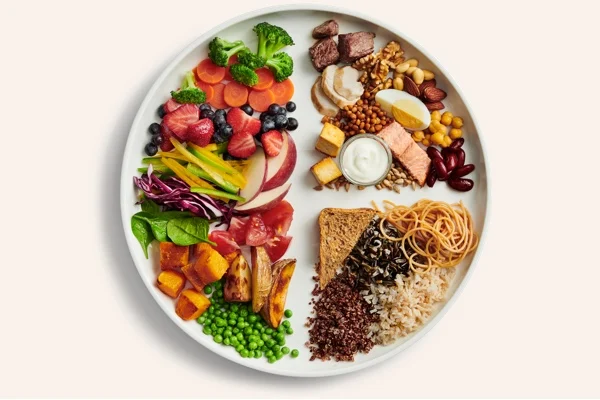
Portion Control Without Obsession
Instead of counting every calorie, use visual guidelines:
- Half your plate vegetables
- One quarter protein
- One quarter carbohydrates
- A small amount of healthy fats
Learning to listen to hunger and fullness cues is a transformational skill.
Step 6: Build Flexibility Into Your Diet
Rigid diets often lead to burnout. A customized plan allows room for:
- Occasional treats
- Social events and celebrations
- Travel and holidays
The 80/20 rule works well: eat nourishing foods 80% of the time and enjoy flexibility 20% of the time—without guilt.
Step 7: Track Progress and Make Adjustments
Your body and lifestyle will change over time, and your diet should evolve with them. Regularly check in with:
- Energy levels
- Mood and focus
- Digestion and sleep quality
- Body composition or fitness progress
Small adjustments can lead to powerful, long‑term results.
Common Mistakes to Avoid
- Copying someone else’s diet exactly
- Eliminating entire food groups unnecessarily
- Expecting instant results
- Ignoring hunger and fullness signals
- Being too strict or too careless
Balance and self‑awareness are the foundation of lasting success.
Sample Customizing Daily Meal Structure
Breakfast: Energizing and protein‑rich
Lunch: Balanced meal with vegetables, protein, and whole grains
Snack: Fruit, nuts, or yogurt
Dinner: Lighter but nutrient‑dense
Adjust foods and portions based on your goals and activity level.
Final Thoughts: Honor Your Beautiful Body
Customizing your diet plan is one of the most empowering acts of self‑care. One of the most empowering forms of self-care is personalizing your eating plan. Healthy living becomes effortless and pleasurable when you eat for your attractive physique, specific objectives, and authentic lifestyle.
The only diet that is ideal is the one that suits you. Prioritize self-respect, consistency, and growth. True wellbeing is the result of nutrition supporting your life rather than dictating it.