
A budget diet isn’t about restriction. It’s about balance, planning, and consistency. When you eat well within your means, you create a lifestyle that’s sustainable for the long term.
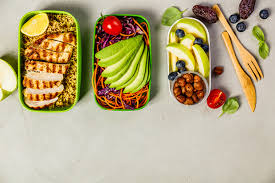
Eating healthy is often misunderstood as being expensive. Many people believe that nutritious food requires fancy superfoods, costly supplements, or imported organic products. In reality, healthy eating can be affordable, simple, and sustainable—even on a tight budget.
Eating wisely, not less, is the goal of a cost-effective diet. You can feed your body healthy meals while controlling your spending if you plan ahead, choose the correct foods, and have a positive outlook. This article will teach you how to eat healthily without going over budget, regardless of whether you’re a busy professional, a student, or a household manager.
Why budget diet Healthy Eating Doesn’t Have to Be Expensive
Lack of planning is the main cause of food overspending. Takeout, impulsive shopping expenditures, and convenience foods all subtly deplete your budget friendly while providing no nutritious benefit.
Compared to processed or fast food, healthy, whole foods including grains, legumes, fruits, vegetables, and eggs are frequently less expensive per serving. These foods offer higher nutrition, sustained energy, and enhanced general health when selected carefully.
It’s not about deprivation to eat on a tight budget. It’s about cutting waste and giving nutrient-dense foods priority.
Core Principles of a Budget Diet
1. Plan Before You Shop
Meal planning is the foundation of affordable healthy eating. Before grocery shopping:
- Decide your meals for the week
- Make a shopping list
- Stick to the list
This simple habit prevents impulse buying and reduces food waste.
2. Focus on Whole, Basic Foods
Whole foods are usually cheaper and healthier than packaged alternatives. Examples include:
- Rice, oats, and whole wheat flour
- Lentils, beans, and chickpeas
- Seasonal fruits and vegetables
- Eggs and yogurt
These staples form the backbone of affordable nutrition.
3. Buy Seasonal and Local Produce
Seasonal fruits and vegetables are:
- Cheaper
- Fresher
- More nutritious
Avoid imported or off-season produce whenever possible.
4. Cook at Home More Often
Home-cooked meals cost significantly less than restaurant food and allow you to control:
- Ingredients
- Portions
- Nutritional quality
Cooking doesn’t need to be complicated—simple meals can be both healthy and delicious.
Affordable Nutrient-Rich Foods to Include
1. Grains and Carbohydrates
These provide energy and are usually inexpensive:
- Brown rice
- White rice
- Oats
- Whole wheat bread or roti
- Potatoes
Tip: Buy grains in bulk to save money.
2. Plant-Based Proteins
Plant proteins are budget-friendly and highly nutritious:
- Lentils (daal)
- Chickpeas
- Kidney beans
- Black beans
- Split peas
They are rich in fiber, protein, iron, and minerals.
3. Animal Proteins on a Budget
You don’t need expensive cuts of meat:
- Eggs (one of the most affordable proteins)
- Chicken (buy whole chicken instead of fillets)
- Canned fish (sardines or tuna)
- Yogurt and milk
Limit red meat to occasional meals to save money.
4. Healthy Fats
Affordable healthy fats include:
- Cooking oils in moderation
- Peanuts
- Seeds (sunflower, flax, sesame)
- Homemade peanut butter
These support heart health and keep you full longer.
5. Fruits and Vegetables
Affordable options include:
- Bananas
- Apples
- Oranges
- Carrots
- Cabbage
- Spinach
- Onions
Frozen vegetables can also be a cost-effective choice.
Sample Budget-Friendly Daily Meal Plan
Breakfast
- Oats cooked with milk or water
- One banana or seasonal fruit
- Boiled egg or peanuts
Cost-effective, filling, and nutritious
Mid-Morning Snack
- Fruit
- Homemade yogurt
Lunch
- Rice or roti
- Lentils or chickpea curry
- Seasonal vegetable dish
- Yogurt or salad
Evening Snack
- Roasted peanuts or chickpeas
- Tea without excess sugar
Dinner
- Vegetable stir-fry
- Eggs or small portion of chicken
- Whole grains
Weekly Budget Diet Plan (Simple Example)
| Day | Main Protein | Vegetables | Carbs |
|---|---|---|---|
| Monday | Lentils | Spinach | Rice |
| Tuesday | Eggs | Cabbage | Roti |
| Wednesday | Chickpeas | Carrots | Rice |
| Thursday | Yogurt | Mixed veggies | Roti |
| Friday | Chicken | Onions & peppers | Rice |
| Saturday | Beans | Seasonal vegetables | Potatoes |
| Sunday | Eggs | Leftovers | Any grain |
This rotation keeps costs low while maintaining variety.
Smart Grocery Shopping Tips
1. Avoid Shopping When Hungry
Hunger leads to impulse buying.
2. Compare Prices
Check unit prices and choose value packs.
3. Limit Processed Foods
Packaged snacks, sugary drinks, and frozen meals are expensive and unhealthy.
4. Use Leftovers Creatively
Leftovers can become:
- Lunch the next day
- Soup
- Stir-fry
Nothing should go to waste.
Healthy Eating on a Tight Monthly Budget friendly
Monthly Budget friendly Strategy
- Allocate a fixed food budget
- Buy staples at the start of the month
- Purchase fresh produce weekly
Batch Cooking
Prepare meals in larger quantities:
- Lentils
- Rice
- Vegetable curries
Freeze portions to save time and money.
Common Mistakes That Increase Food Costs
- Buying branded health foods unnecessarily
- Relying on takeout
- Throwing away unused food
- Overbuying perishable items
- Following extreme diet trends
Healthy eating should be simple and realistic.
Eating Healthy Without “Diet” Products
You don’t need:
- Protein bars
- Detox teas
- Expensive supplements
Real food provides everything your body needs. A balanced plate beats any marketed health product.
Budget Diet for Weight Management
A budget-friendly diet naturally supports weight management because it:
- Emphasizes whole foods
- Reduces processed foods
- Controls portions
Focus on:
- Fiber-rich foods (lentils, vegetables)
- Adequate protein (eggs, beans)
- Water intake
Mental Benefits of Budget-Friendly Eating
Affordable healthy eating also improves:
- Stress levels
- Energy
- Focus
- Confidence
Knowing you can nourish yourself without financial strain creates peace of mind.
Final Thoughts: Health Is an Investment, Not a Luxury
It takes intelligence, not wealth, to eat healthily. You may create a diet that benefits your body, mind, and budget by selecting basic, reasonably priced goods and cooking with purpose.
Restrictions are not the goal of a cost-effective diet. It has to do with regularity, planning, and balance. You build a long-term sustainable lifestyle when you eat healthily and within your limits.
Everyone should have access to good health, in our opinion at Daily Thrive. It doesn’t have to be expensive to get your optimum health, so start small and make wise plans.