
Intermittent fasting (IF) has emerged as one of the most well-liked lifestyle choices for better metabolism, weight loss, and general health in recent years. People adore intermittent fasting because it is easy, adaptable, and successful—it doesn’t need rigorous calorie counting or complex meal plans. To reap the long-term benefits of any diet plan, however, proper and safe implementation is crucial.
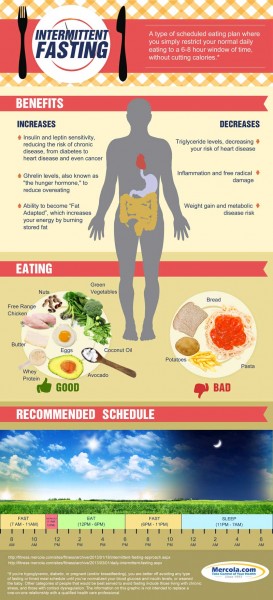
To help you get started with confidence, this comprehensive guide will explain what intermittent fasting is, how it works, the best techniques, advantages, safety advice, and a full sample meal plan.
What Is Intermittent Fasting?
A organized eating pattern that alternates between times of eating and fasting, intermittent fasting is not the same as a traditional diet. IF concentrates on when you eat rather than what you eat.
You abstain from foods and beverages that contain calories when you are fasting. Water, black coffee, green tea, or herbal tea, on the other hand, can be consumed without milk or sugar.
Common IF windows include:
- Fasting for 16 hours and eating for 8 (16:8)
- Eating normally for 5 days and limiting calories for 2 days (5:2)
- Fasting for 24 hours once or twice a week (Eat-Stop-Eat)
The goal is to allow your body to use stored fat for energy, improve insulin sensitivity, and support metabolic health.
How Does Intermittent Fasting Work?
When you eat, your body breaks down food into glucose, which is used for energy. Any extra glucose is stored as fat.
During fasting, insulin levels drop, allowing the body to burn stored fat for fuel. This process, called metabolic switching, is the heart of intermittent fasting. Additionally, fasting activates:
- Autophagy (cellular cleansing)
- Fat oxidation
- Improved hormone regulation
- Reduced inflammation
Over time, intermittent fasting can improve digestion, energy levels, and mental clarity.
The Most Popular Intermittent Fasting Methods
There is no single “best” method—each person’s lifestyle, schedule, and body are different. Below are the most effective and widely used fasting plans.
1. The 16:8 Method (Most Popular for Beginners)
You fast for 16 hours and eat all your meals within an 8-hour eating window.
Example: Eat between 12 PM and 8 PM.
This method is effective, flexible, and easy to maintain. It is ideal for beginners.
2. The 14:10 Method
A gentler variation of 16:8, perfect for people who want a smoother transition into fasting.
Example: Eat between 10 AM and 8 PM.
3. The 5:2 Diet
Eat normally for 5 days and restrict calories to 500–600 for 2 days.
This method promotes weight loss without daily fasting.
4. OMAD (One Meal a Day)
Eat one large meal within a 1-hour window and fast for the remaining 23 hours.
This is an advanced method and requires discipline.
5. Eat-Stop-Eat
A 24-hour complete fast once or twice a week (water allowed).
Should only be attempted after your body adapts to shorter fasting windows.
Benefits of Intermittent Fasting
Scientific research has revealed powerful benefits of intermittent fasting beyond just weight loss.
1. Rapid Fat Loss
IF helps reduce body fat by shifting the body into fat-burning mode. Many people experience significant weight loss within weeks.
2. Improved Insulin Sensitivity
Lower insulin levels help stabilize blood sugar and reduce the risk of type 2 diabetes.
3. Enhanced Metabolism
Fasting boosts human growth hormone (HGH), which helps build muscle and burn fat.
4. Better Brain Function
Fasting increases BDNF, a protein that supports brain health, memory, and focus.
5. Reduced Inflammation
Fasting lowers oxidative stress, reducing the risk of chronic diseases.
6. Cellular Repair (Autophagy)
Fasting triggers autophagy, a process where old cells are cleaned and replaced with new, healthy cells.
7. Convenient and Budget-Friendly
With fewer meals to plan and cook, IF saves time and money.
Who Should Avoid Intermittent Fasting?
Intermittent fasting is safe for most people, but it is NOT recommended for:
- Pregnant or breastfeeding women
- People with eating disorders
- Individuals with severe diabetes on medication
- Those with chronic medical conditions without doctor approval
- Underweight individuals
- People under age 18
If you fall into any of these categories, consult your doctor before beginning IF.
How to Start Intermittent Fasting Safely
Starting intermittent fasting does not have to be difficult. Follow these steps to create a safe and effective plan.
Step 1: Choose the Right Fasting Window
If you’re a beginner, choose something simple like 14:10 or 16:8.
Avoid jumping directly into OMAD or extended fasting.
Step 2: Stay Hydrated
Drink plenty of water throughout the fasting period. You can also drink:
- Black coffee
- Lemon water
- Green or herbal tea
Avoid sugary or calorie-containing drinks.
Step 3: Eat Balanced, Nutrient-Dense Meals
Your meals should include:
- Lean proteins (chicken, fish, eggs, tofu)
- Healthy fats (avocado, nuts, olive oil)
- Complex carbs (quinoa, brown rice, sweet potatoes)
- Fiber-rich vegetables (spinach, broccoli, carrots)
Avoid processed foods, fried items, and sugar.
Step 4: Don’t Overeat During Your Eating Window
Many beginners think they can eat anything during the eating window.
This is a mistake.
To see results, maintain portion control and choose healthy foods.
Step 5: Light Exercise Is Helpful
Aim for:
- Walking
- Yoga
- Light strength training
Avoid intense workouts during long fasting windows.
Step 6: Listen to Your Body
If you experience:
- Dizziness
- Extreme fatigue
- Severe headaches
Stop fasting and reassess your plan.
Sample 16:8 Intermittent Fasting Meal Plan
Below is a practical meal plan you can follow during an 8-hour eating window (12 PM – 8 PM).
12:00 PM — Lunch
- Grilled chicken breast or fish
- Brown rice or quinoa
- Mixed vegetables (spinach, broccoli, carrots)
- Side salad with olive oil
3:00 PM — Snack
- A handful of nuts or seeds
- A fruit such as an apple or berries
- Green tea or water
6:30 PM — Dinner
- Lentil soup or chickpeas
- Stir-fried vegetables
- Whole wheat roti or grilled sweet potatoes
7:45 PM — Light Snack (Optional)
- Greek yogurt
- Dark chocolate (1–2 small pieces)
Tips to Make Intermittent Fasting More Effective
1. Start Slowly
Don’t push your body too quickly; gradually increase your fasting hours.
2. Avoid Sugary Foods
Sugar spikes insulin levels and slows fat loss.
3. Prioritize Good Sleep
Poor sleep increases hunger hormones and makes fasting harder.
4. Add Electrolytes
If you feel weak during fasting, add a pinch of salt to water.
5. Track Progress
Use apps or journals to track:
- Weight
- Measurements
- Energy levels
6. Be Consistent
Intermittent fasting is most effective when done regularly.
Common Mistakes to Avoid
Drinking caloric beverages during fasting
Stick to zero-calorie drinks.
Eating junk food during eating window
Healthy foods accelerate results.
Starting with long fasts
Always begin with the easiest fasting window.
Ignoring water intake
Dehydration can cause dizziness and headaches.
Expecting overnight results
IF requires consistency—give your body 2–4 weeks to adjust.
Conclusion: A Safe, Powerful Tool for Better Health
Intermittent fasting is much more than a weight-loss trend—it’s a lifestyle approach that enhances health from the inside out. By choosing the right fasting window, eating nutrient-rich foods, staying hydrated, and listening to your body, you can safely enjoy the remarkable benefits of fasting.
Whether you’re looking to lose weight, improve your metabolism, boost energy, or simply feel healthier, intermittent fasting can be a powerful and sustainable solution.
If done properly and consistently, IF can transform your body, mind, and long-term health.